Timing of Meals: Observational Insights
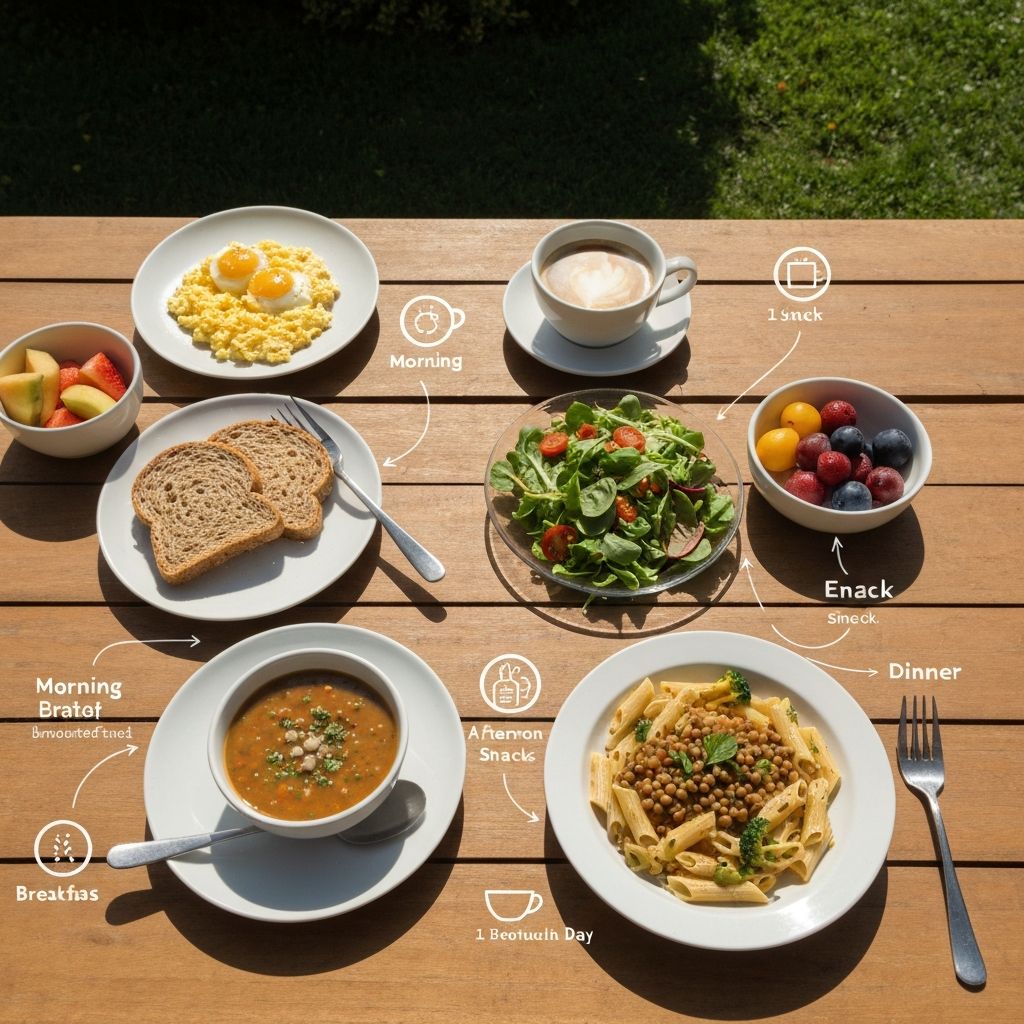
Understanding Circadian Rhythms and Eating
The human body operates on circadian cycles—24-hour rhythms that influence hormones, digestion, and metabolism. These rhythms affect how food is processed and utilized. Meal timing relative to these cycles is an area of ongoing research and observation in wellness science.
Research documents that eating patterns vary naturally across populations and cultures. Some people eat three main meals; others prefer several smaller meals. The variation reflects different approaches to supporting energy distribution throughout the day.
Spacing and Energy Distribution
The interval between meals relates to how energy is distributed across the day. Spacing meals allows digestion time and maintains relatively steady energy levels, a pattern discussed in wellness frameworks. Regular meal timing can support consistent energy and prevent extreme hunger.
Morning meals break the overnight fast and initiate metabolic activity. Evening meals are timed to provide energy before sleep recovery. These patterns reflect circadian considerations integrated into everyday eating routines across cultures.
Individual Variation in Meal Timing
Optimal meal timing varies by individual. Activity level, work schedules, sleep patterns, and personal preference influence when people eat. What works well for one person may not suit another—flexibility is key to sustainable eating patterns.
Consistency rather than perfection appears beneficial. Eating at relatively regular times allows the body to anticipate meals and prepare digestive processes. This consistency supports sustained energy and digestion efficiency.
Practical Observations
Common patterns include eating a morning meal within two hours of waking, then spacing additional meals or snacks at regular intervals. Evening meals are typically timed two to three hours before sleep to allow adequate digestion. These patterns represent practical approaches to supporting daily function.